Welcome to HEBEI SHENGSUAN CHEMICAL INDUSTRY CO.,LTD
-
- 15383190639
- admin@86-ss.com

Your Location:Home >Products >Organic chemicals >99685-96-8
Product Details
|
History and Development |
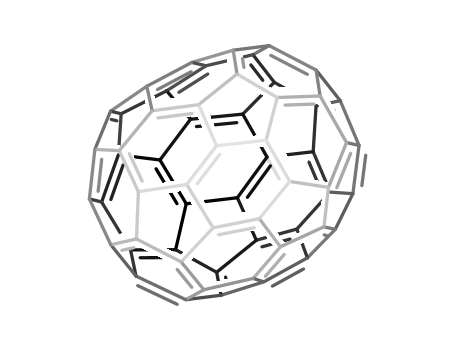
Buckminsterfullerene (C60) was first discovered in 1985 by Richard Smalley, Robert Curl, James Heath, Sean O'Brien, and Harold Kroto, who were awarded the Nobel Prize in Chemistry in 1996 for their discovery. Buckminsterfullerene is named after Richard Buckminster Fuller, an American architect and inventor known for popularizing geodesic dome structures. The molecule's spherical shape resembles the geodesic domes designed by Fuller. |
|
Production Methods |
Buckminsterfullerene can be produced through various methods, including laser ablation, arc discharge, and chemical vapor deposition. |
|
General Description |
This product has been enhanced for energy efficiency. |
InChI:InChI:1S/C60/c1-2-5-6-3(1)8-12-10-4(1)9-11-7(2)17-21-13(5)23-24-14(6)22-18(8)28-20(12)30-26-16(10)15(9)25-29-19(11)27(17)37-41-31(21)33(23)43-44-34(24)32(22)42-38(28)48-40(30)46-36(26)35(25)45-39(29)47(37)55-49(41)51(43)57-52(44)50(42)56(48)59-54(46)53(45)58(55)60(57)59
Despite the first proposal on the cage i...
A facile one-step reaction of [60]fuller...
Lewis base-catalyzed double nucleophilic...
A series of scarce fulleropyrrolines wer...
C80H36O10S5

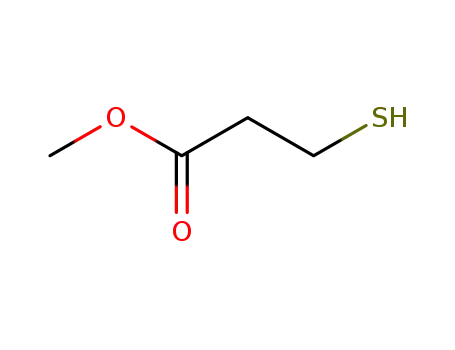
Methyl 3-mercaptopropionate

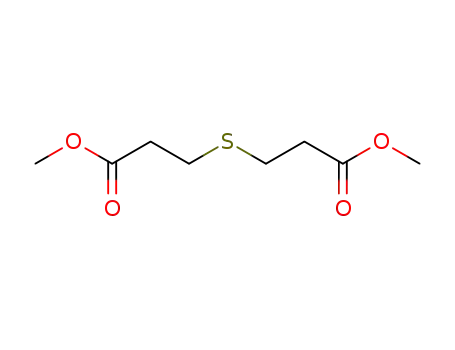
Dimethyl 3,3'-thiodipropionate
fullerene-C60
| Conditions | Yield |
|---|---|
|
at 140 ℃; for 0.166667h; Glovebox; Inert atmosphere;
|
C69H17NO4
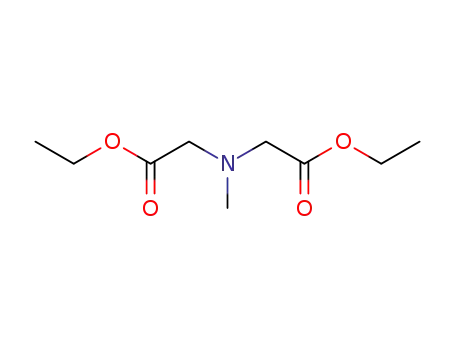
diethyl 2,2'-(methylimino)diacetate
fullerene-C60
| Conditions | Yield |
|---|---|
|
With perchloric acid; In ethanol; toluene; Reagent/catalyst; Irradiation;
|

PERYLENE
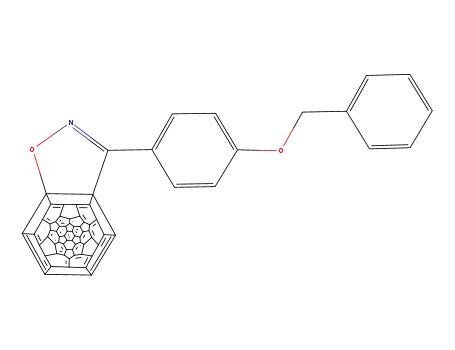
3'-[4-(phenylmethoxy)phenyl][5,6]fullereno-C60-Ih-[1,9-d]isoxazole

ethyl 3′H-cyclopropa[1,9](C60-Ih)[5,6]fullerene-3′-carboxylate

tert-butyl 3′H-cyclopropa[1,9](C60-Ih)[5,6]fullerene-3′-carboxylate
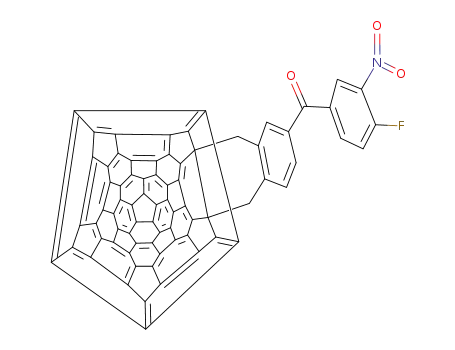
C75H10FNO3
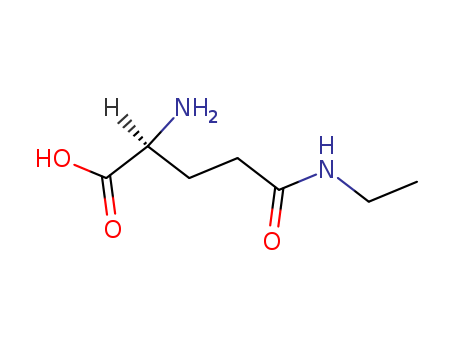
CAS:3081-61-6
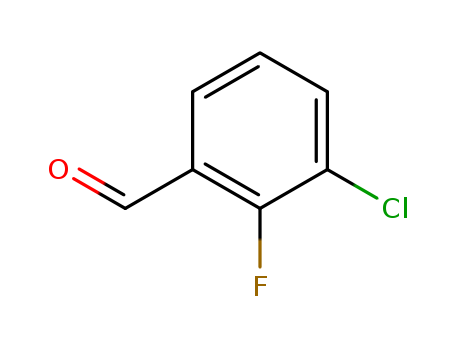
CAS:85070-48-0
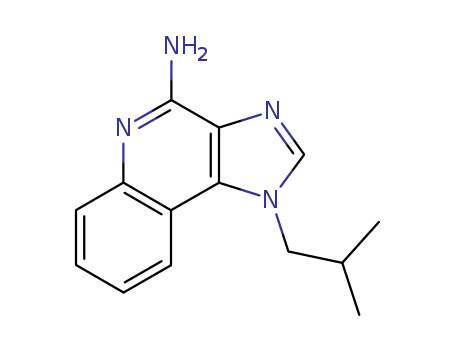
CAS:99011-02-6
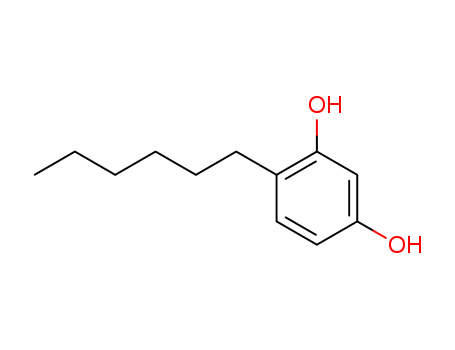
CAS:136-77-6